Autonomous Systems
September 30, 2026

See how robotics data annotation keeps video, image, and lidar labels in sync, and how teams can check label quality before using data to train...


See how a LeRobot dataset stores robot demonstrations, how it compares with older formats, and what can get lost in the conversion to LeRobot.

Explore what makes the EgoDex dataset useful for robotics, from hand pose and task design to language annotations, and how to evaluate egocentric datasets.

Learn what dexterous manipulation means, why timing and contact data are key, and how multimodal datasets train reliable robot-hand policies
See where the sim2real gap has closed, where it still breaks, and why robotics teams are investing in real-world data collection over just simulation.
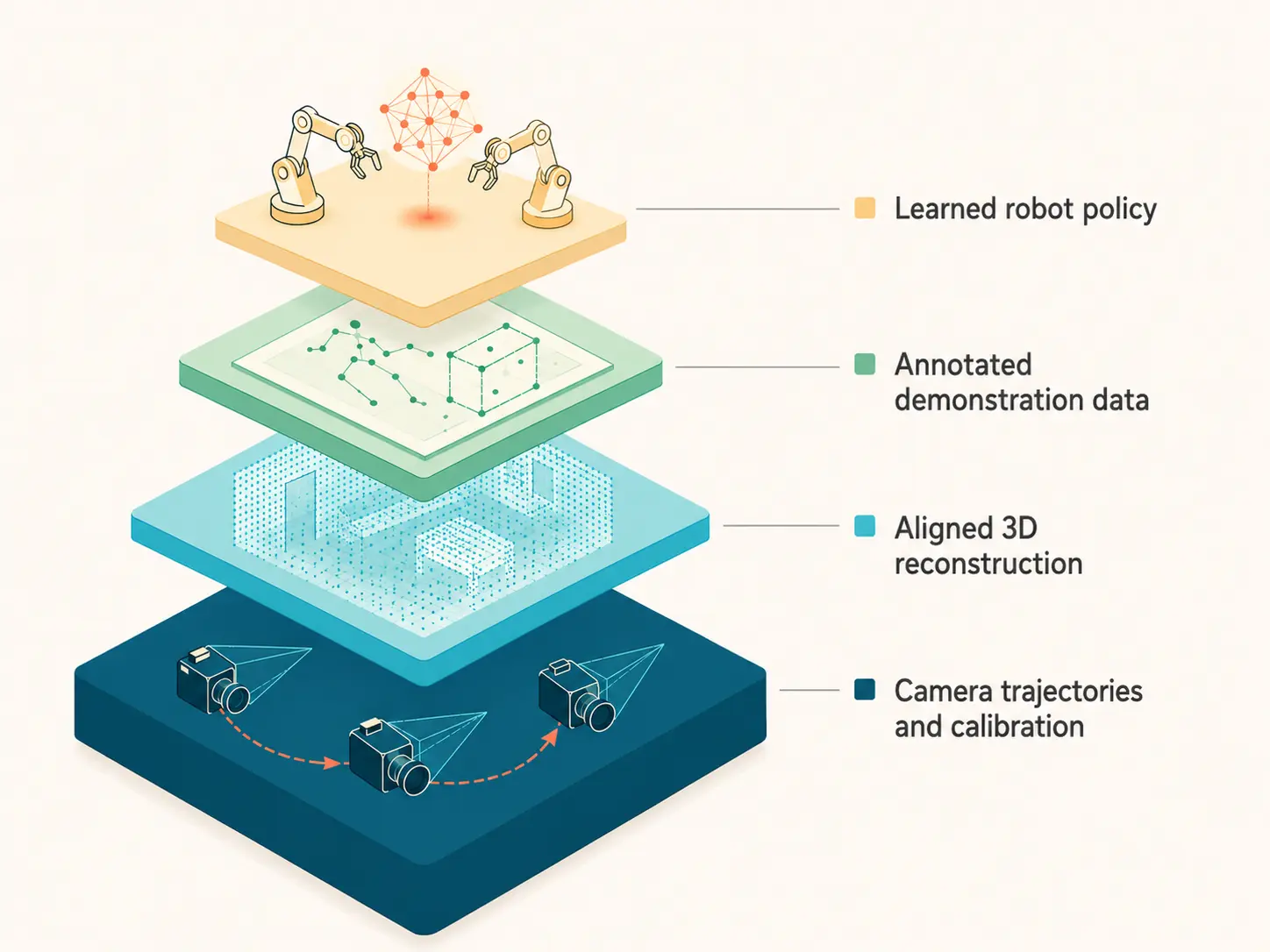
See how we built a SLAM robotics pipeline that turns bimanual demonstrations into reliable camera trajectories, and why ORB-SLAM3 alone wasn't enough.
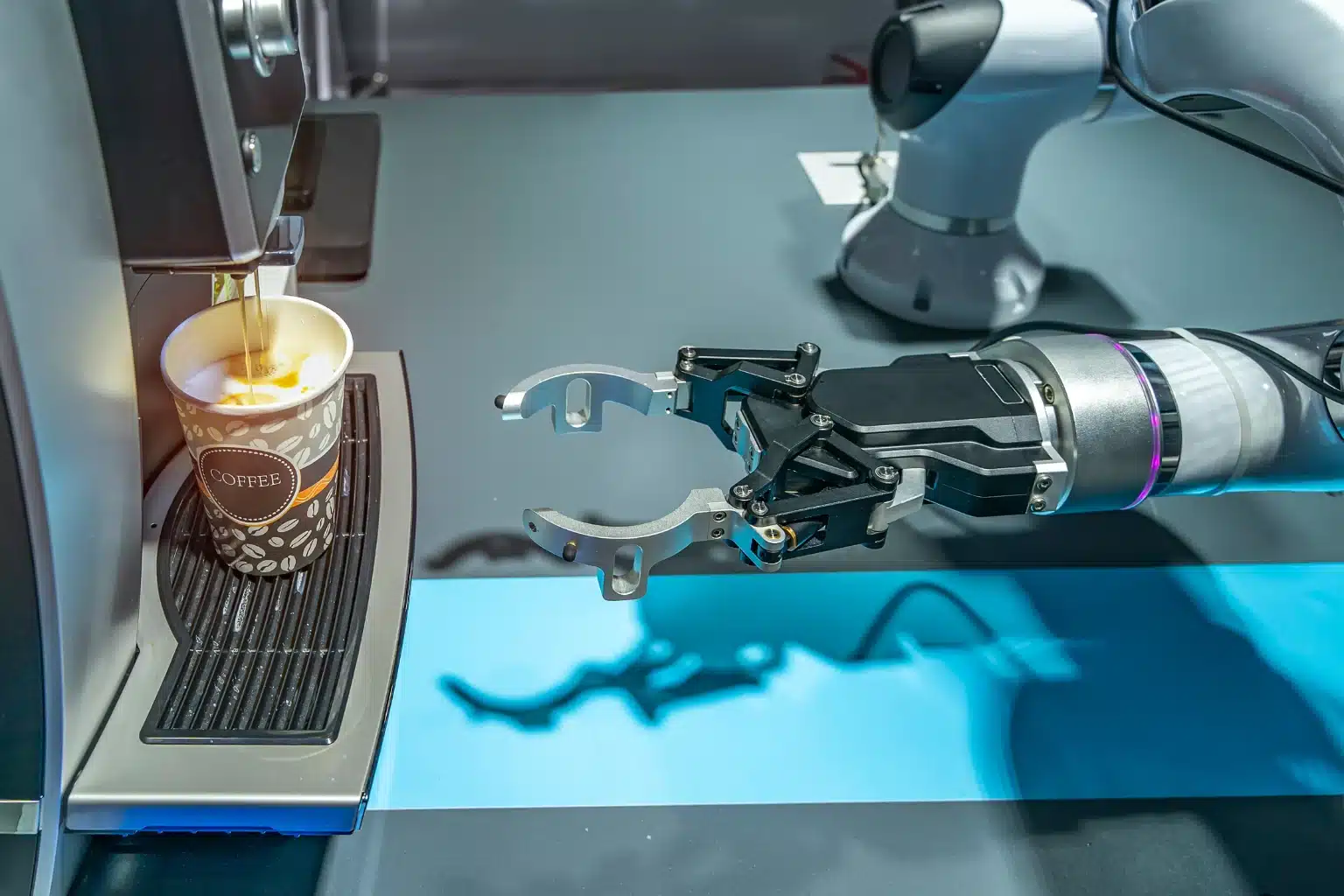
Explore why evaluating a vision language action model is so hard, which benchmarks teams use today, and what a credible benchmark report should contain.
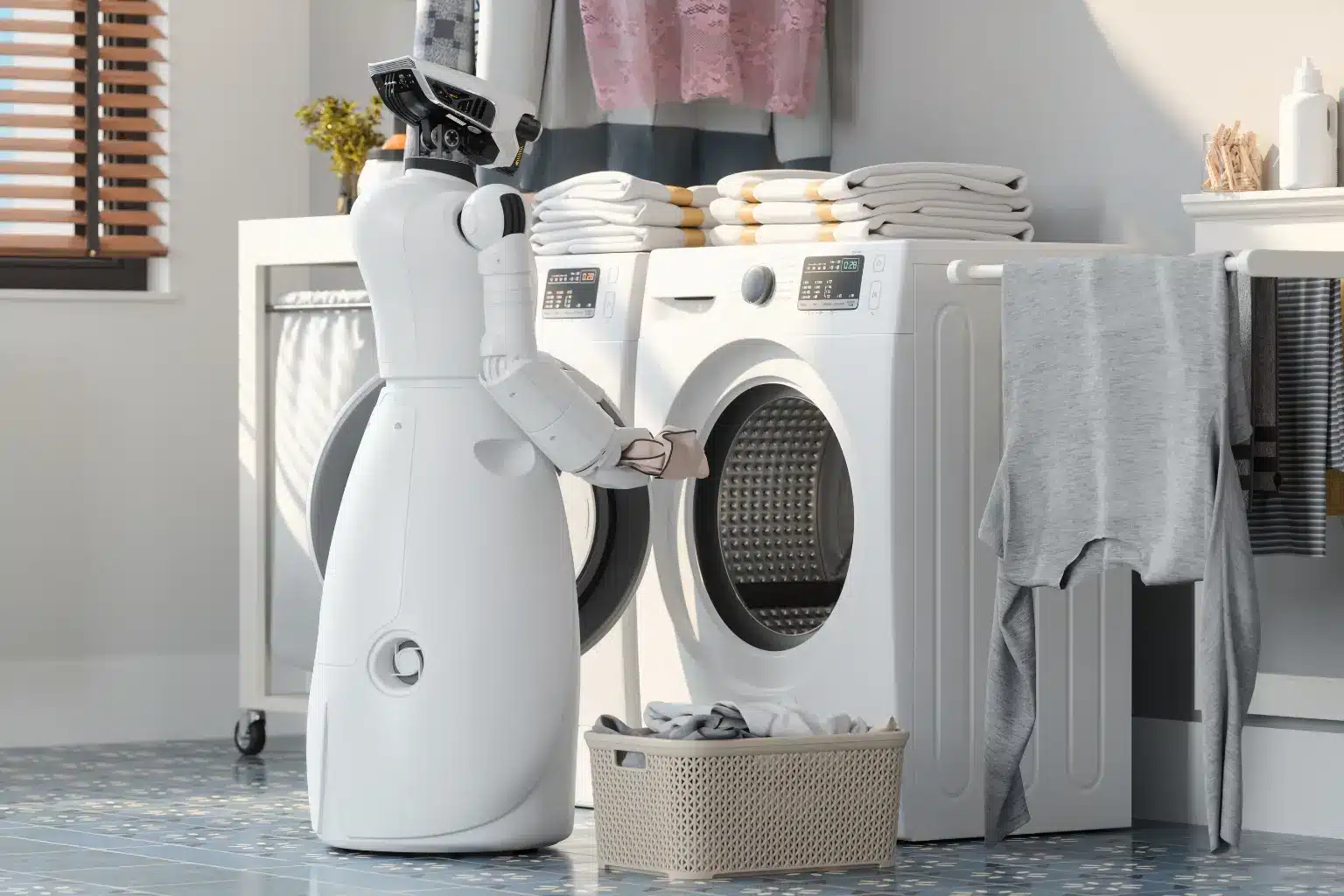
Explore the 7 core physical AI annotation types and learn how high-quality labels help robots understand, learn, and perform real-world tasks.
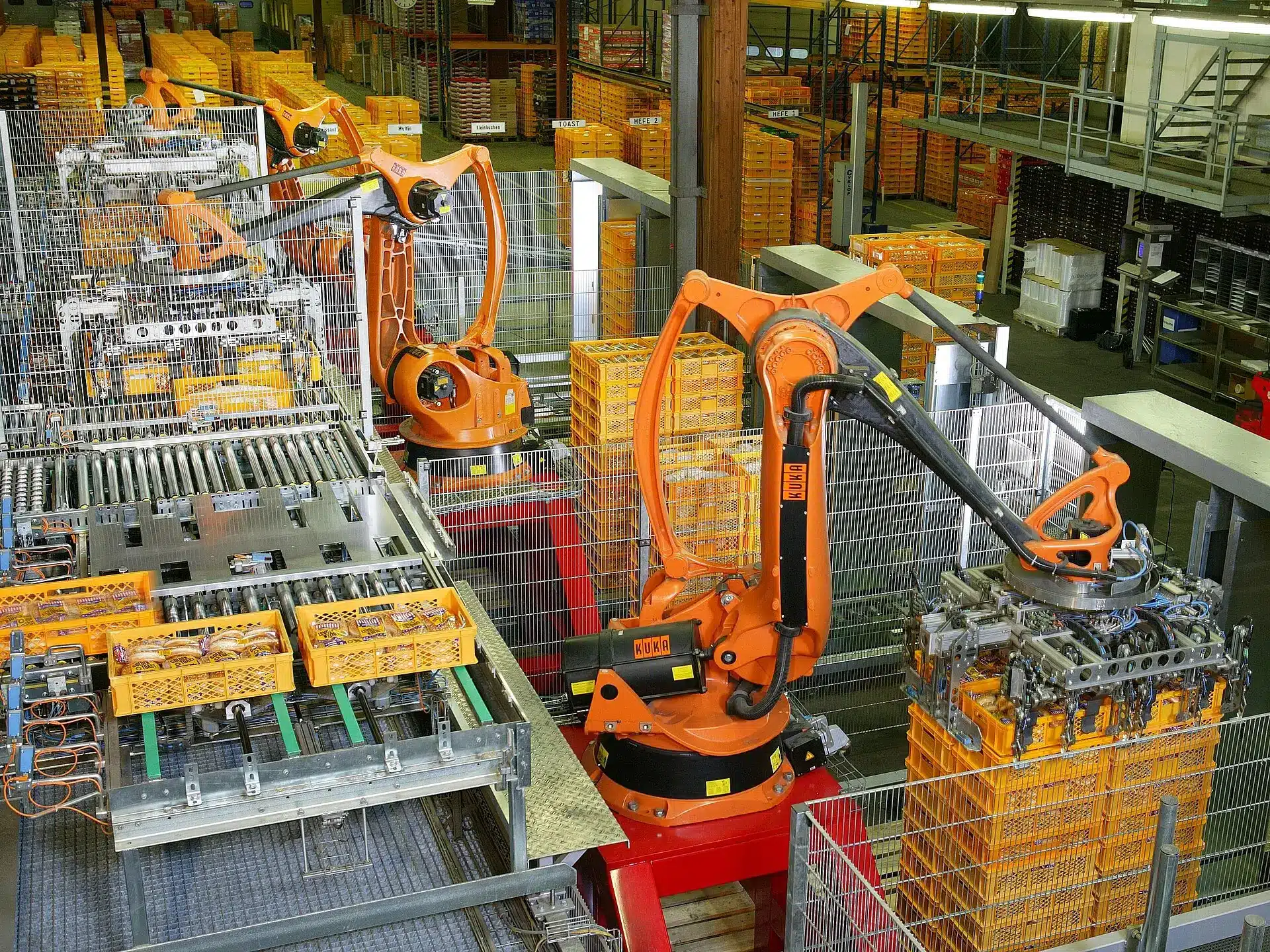
Explore real-world applications of robotics across warehouses, factories, farms, and aerospace, and learn how physical AI and high-quality data power intelligent robots.