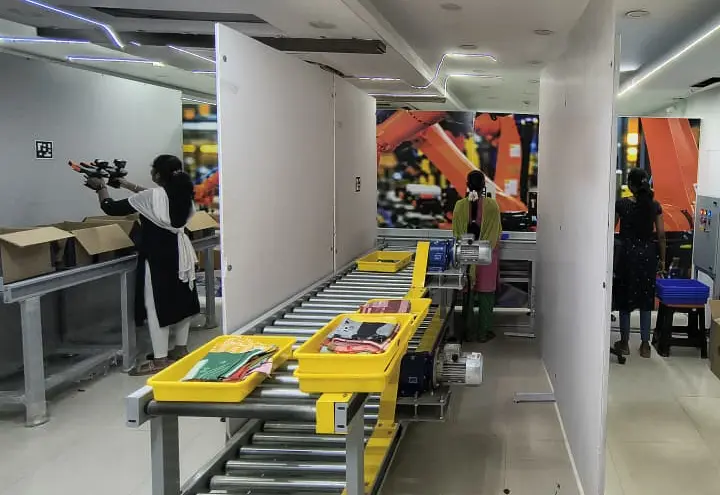
Learn how a pick and place robot is trained to sort automotive parts using UMI gripper demonstrations, which parts suit it, and what to avoid
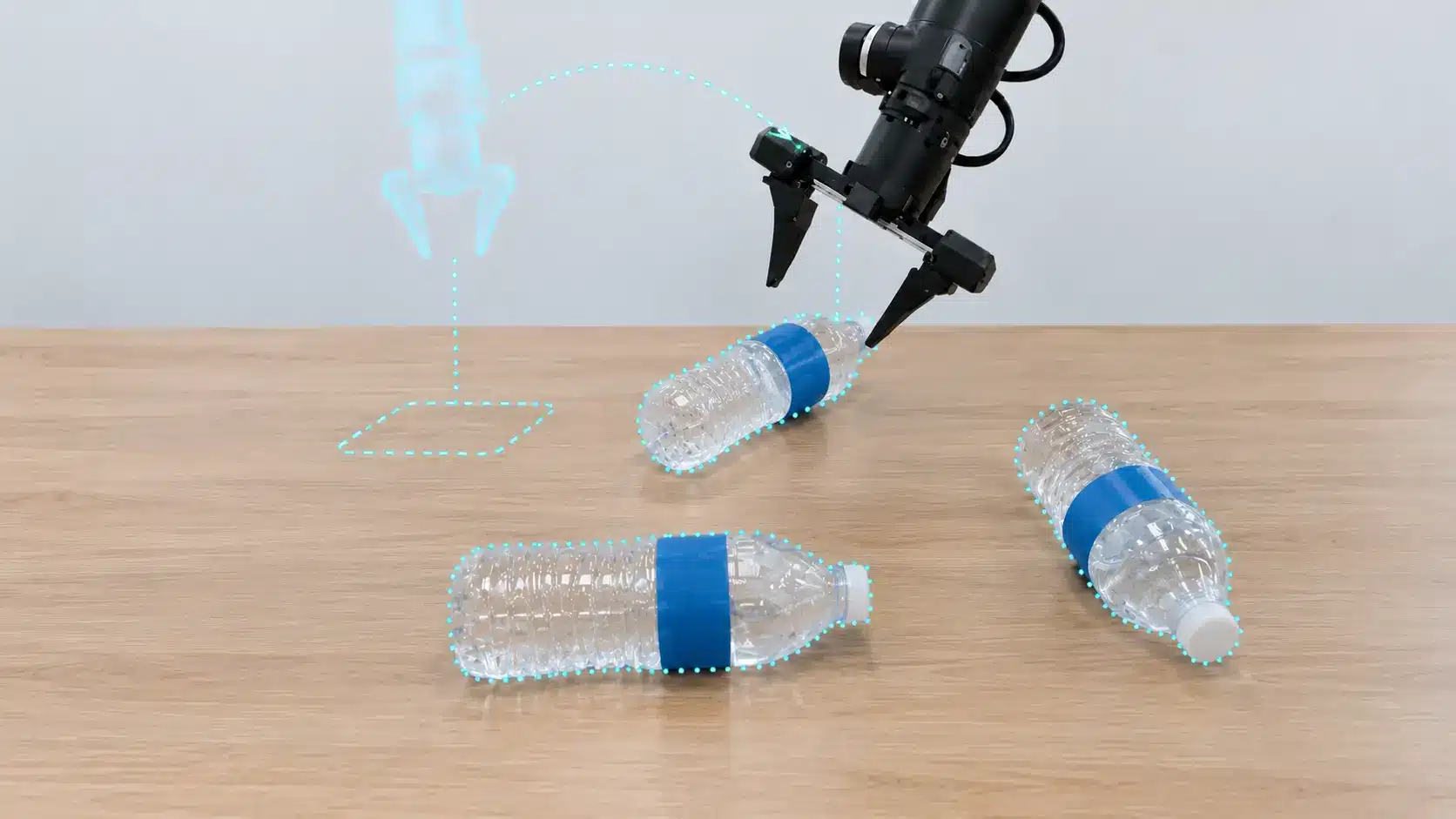
Learn how adaptive robotics helps robots handle change, and why diverse training data, human corrections, and failure recovery make it possible.

Explore how robotics in logistics handles structured and unstructured tasks, from warehouse automation to truck unloading, and why real-world data is crucial.
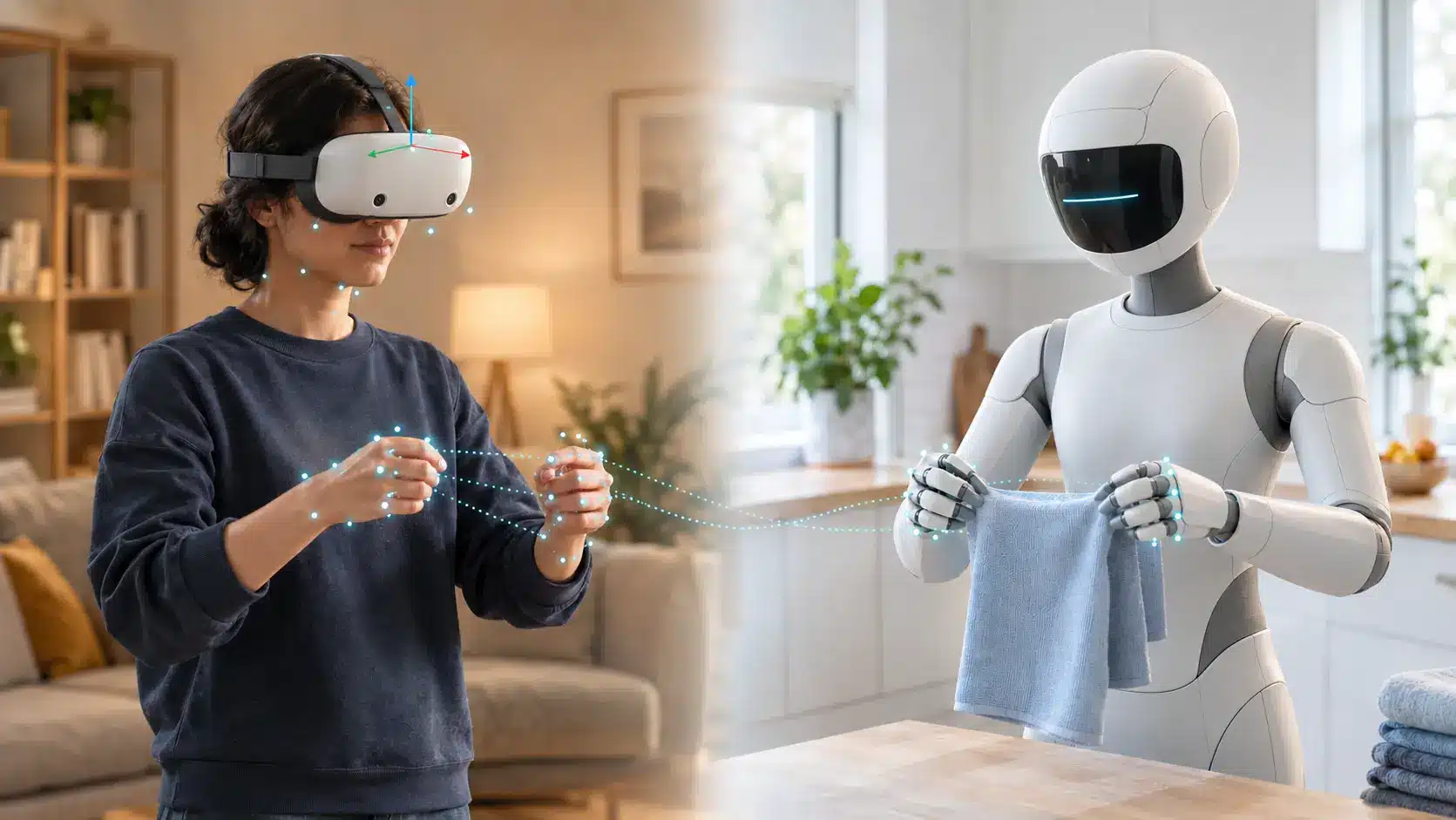
See how SLAM VR tracking works inside a headset, where it fails, and why a drifting head pose weakens egocentric and teleoperation data.
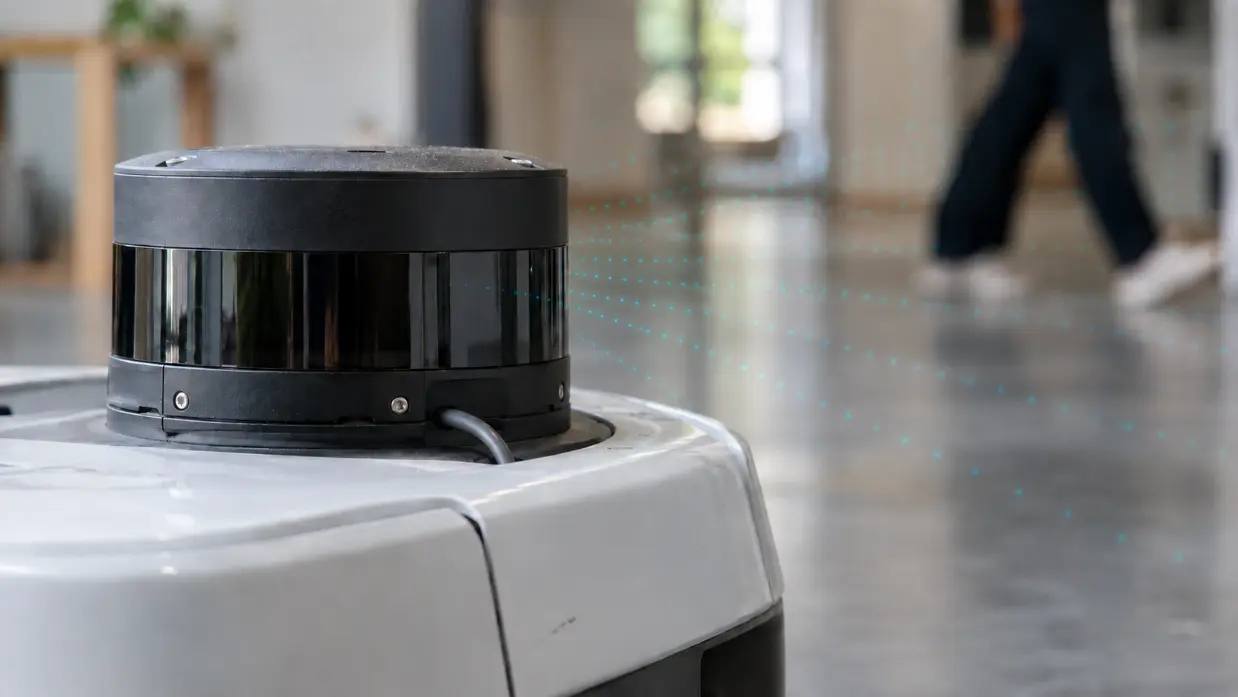
Explore the main types of lidar sensors, how they measure distance, and which types of robots are best suited to 2D, 3D, flash, and FMCW...
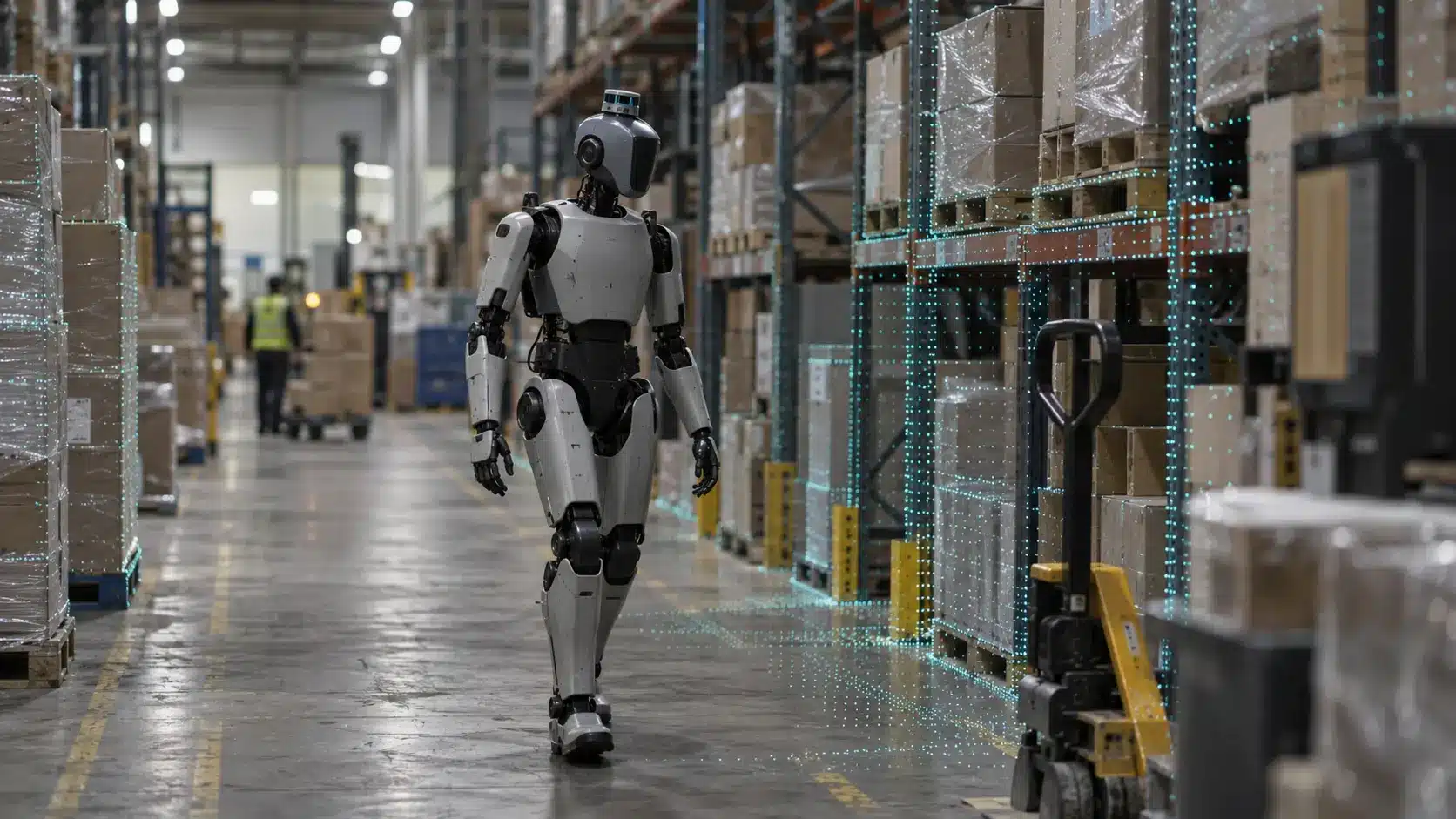
Learn why some humanoids use lidar robotics while others rely on cameras, how each sensor compares, and what that choice means for robot training data.
See how a LeRobot dataset stores robot demonstrations, how it compares with older formats, and what can get lost in the conversion to LeRobot.

Explore what makes the EgoDex dataset useful for robotics, from hand pose and task design to language annotations, and how to evaluate egocentric datasets.
